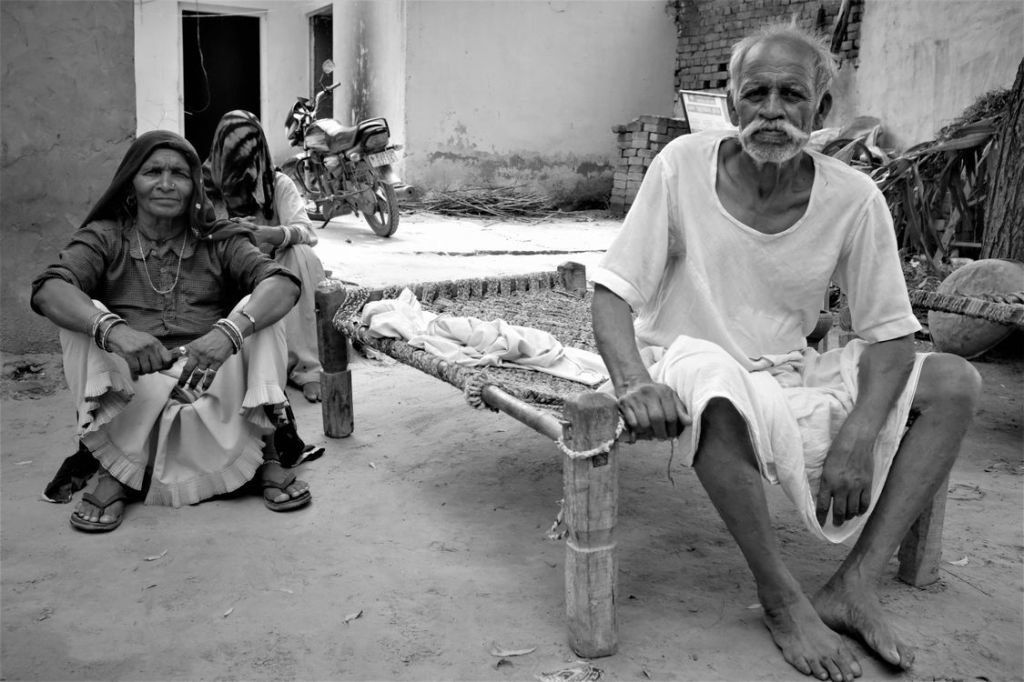
A destination often introduces itself to a visitor through a familiar collection of images. A famous building, a dramatic landscape, a colourful market or a carefully framed street becomes the picture that represents the entire place. Those sights may be worth visiting, but they are only a small part of a much larger story. Behind every popular viewpoint are neighbourhoods where people shop, work, study, repair things, meet friends and return home. A traveller who looks beyond the postcard begins to understand that a place is not defined only by what attracts visitors. Its character is also created by the ordinary lives that continue when nobody is taking photographs.
The everyday rhythm of a town can be easiest to notice before its busiest hours. Shopkeepers may be lifting shutters, vendors arranging produce and workers preparing tools for the day. A street that later becomes crowded with visitors may begin quietly, with familiar greetings exchanged between people who see one another regularly. These routines may appear simple, yet they reveal how a community is organised. The opening time of a small shop, the location of a shared water point or the way people use a public square can tell a traveller more about daily life than a list of attractions.
Local spaces often hold stories that are not immediately obvious. A modest tea stall may serve as a meeting place for neighbours, a repair shop may have been run by the same family for decades, and a small playground may become the centre of activity after school. Such places are not necessarily designed to impress outsiders. Their importance comes from repeated use and the relationships built around them. A visitor who pauses long enough to observe can begin to see the connections between work, leisure, family and public life. The destination becomes less like a collection of sights and more like a functioning community.
Markets are especially revealing because they bring many parts of daily life together. The exchange of goods is only one part of the activity. People compare prices, share news, ask after relatives and make decisions based on the needs of the day. The arrangement of stalls may reflect local seasons, available produce and the habits of regular customers. A traveller can learn a great deal by walking through a market without treating it as a performance. Buying something small, asking a simple question when the seller is not busy and keeping pathways clear are ways to participate without disrupting the work taking place.
Curiosity is useful when it is accompanied by humility. A visitor may notice an unfamiliar custom or a way of doing things that differs from home, but the first interpretation is not always the correct one. Asking a respectful question can open a conversation, while assuming that a person should explain their culture can create discomfort. Some residents enjoy speaking with visitors; others are focused on their responsibilities or prefer privacy. A thoughtful traveller recognises the difference. A greeting, a smile or a brief exchange may be enough, and a lack of conversation should never be treated as unfriendliness.
Photography requires similar care. Everyday scenes can be visually compelling precisely because they are unposed, but that does not give a visitor permission to photograph people without consideration. A person working, resting or spending time with family is not simply part of the scenery. Asking before taking a close or identifiable photograph shows respect and gives the other person a choice. If permission is not given, the traveller can put the camera away. The experience does not lose its value because it cannot be posted online. Sometimes the most meaningful observation is one that remains a private memory.
Seeing everyday life also means recognising the economic realities behind a destination. Tourism can create useful income for local businesses, guides, drivers and craftspeople, but it can also place pressure on housing, public spaces and natural resources. A traveller can make more thoughtful choices by supporting locally owned services, paying agreed prices fairly and avoiding activities that exploit people or wildlife. This does not require a visitor to solve every local challenge. It simply asks them to consider where their spending goes and whether their presence contributes positively to the place they have come to enjoy.
There is a risk of romanticising ordinary life when it is viewed only through a visitor’s imagination. A quiet village may look peaceful in a photograph, but residents may be dealing with difficult commutes, limited services or the same pressures found in any other community. Respectful travel does not turn people into symbols of simplicity or assume that every local tradition should remain unchanged for the benefit of tourism. It recognises that communities are diverse and evolving. People have ambitions, disagreements, modern routines and personal choices that cannot be understood from a short visit.
An itinerary can make room for this broader perspective without abandoning well-known attractions. A traveller might visit a famous site in the morning and spend an hour in a nearby neighbourhood later, choosing a local café or walking through a public market with no expectation of discovering a hidden spectacle. A guide who lives in the area may be able to explain how a street has changed or why a particular public space matters. The purpose is not to collect unusual encounters. It is to allow a destination to be understood through more than its official highlights.
When the journey ends, a visitor may remember the famous landmark, but the place can feel more complete because of the ordinary scenes noticed along the way. The sound of a shop opening, the patience of a craftsperson, the movement of a market and the shared use of a public square can remain in memory long after the route has been forgotten. Looking beyond the postcard does not diminish the beauty of a destination. It adds human depth to it. The traveller returns with a more generous understanding: every place is both a destination for someone passing through and a home for the people who stay.

