A place is often introduced to visitors through what can be seen: its architecture, landscape, markets and familiar landmarks. Yet its character is also carried by sound. The first call from a street vendor, the rhythm of a workshop, bells from a nearby shrine, children playing in a lane or a musician practising beside a doorway can become part of a destination’s identity. These sounds may not appear on a travel map, but they shape how a place feels. A traveller who listens carefully discovers another way of understanding a community, one that cannot be reduced to a list of attractions.
Everyday sound has a close relationship with routine. In one town, the morning may begin with shutters opening and bicycles passing over uneven streets. In another, the day may be marked by a temple bell, a market announcement or the steady beat of tools used by craftspeople. Such sounds are repeated so often that residents may barely notice them. For a visitor, however, they offer clues about how people work, gather and move through shared spaces. Listening turns an ordinary walk into a form of observation, allowing the traveller to understand a place through its daily rhythm.
Music carries an even deeper layer of memory. Traditional songs and instruments often preserve stories, regional languages, beliefs and experiences that have travelled through generations. A melody may be associated with a festival, a season, a journey or a particular stage of life. An instrument may be made from materials available in the surrounding landscape, shaped by local craftsmanship and played in a style learned through family or community practice. The sound is not simply entertainment. It can be a way in which people recognise themselves and maintain a connection with those who came before them.
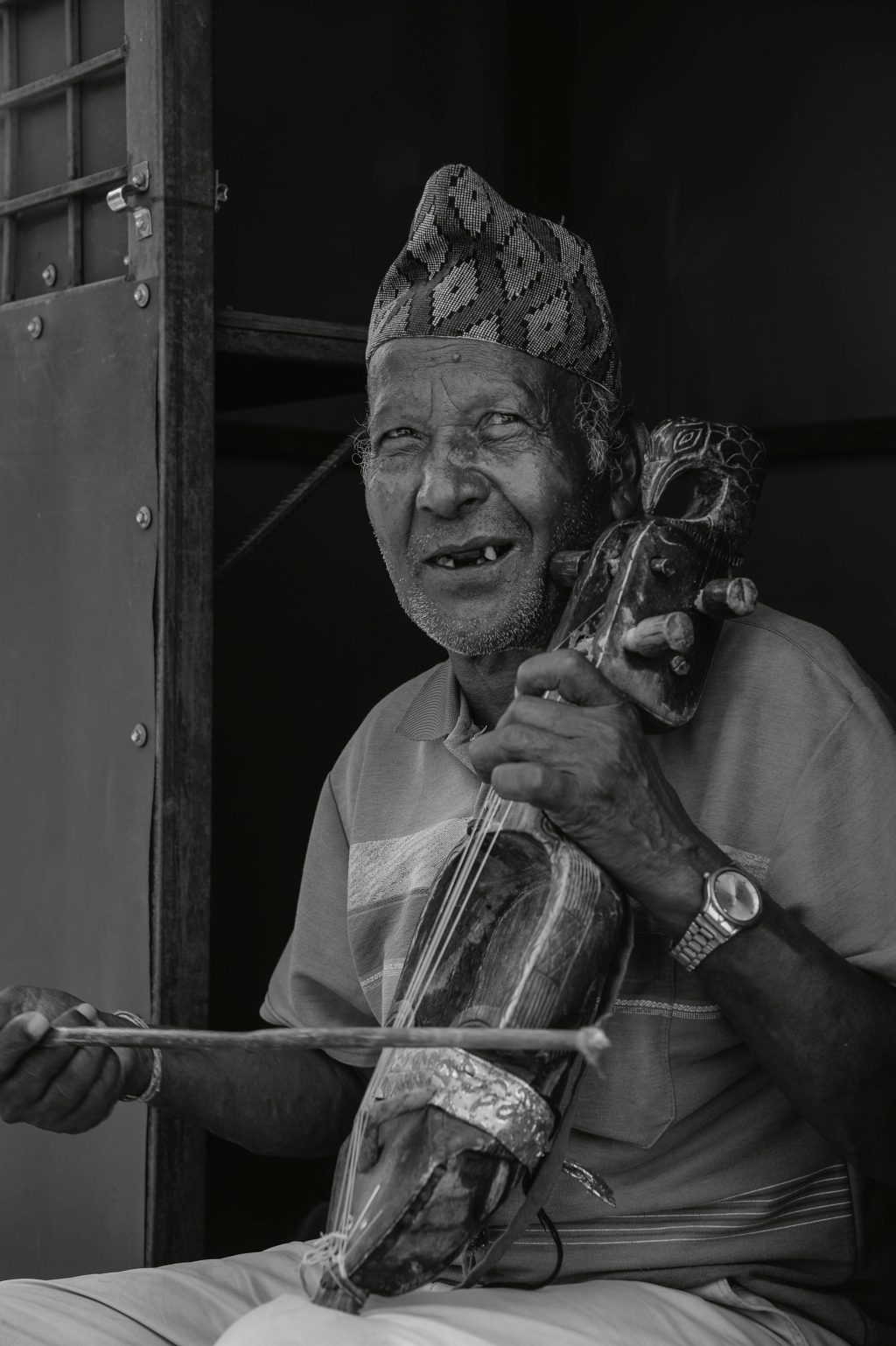
An older musician playing a traditional instrument can reveal how much knowledge is held in the hands as well as in the notes. The musician may know how a particular string responds to changes in temperature, how a rhythm should accompany a local song or how a tune changes depending on the occasion. Some of this knowledge may never have been written down. It survives because someone listened, practised and passed it on. A traveller who takes time to understand this process sees a performance differently. The instrument becomes part of a living tradition rather than an unusual object to photograph.
Listening respectfully requires more than standing nearby with a phone ready to record. A public performance may welcome an audience, but a private practice session or a family gathering may not. Travellers should observe the setting, ask permission before recording or photographing identifiable people and avoid interrupting a musician who is working. If a performance has an established fee or contribution practice, it should be respected. The aim is to appreciate the music without treating the performer as an attraction that exists solely for visitors.
Language is not always necessary for a meaningful musical encounter. A traveller may not understand the words of a song, yet the pace, tone and expression can still communicate emotion. A slow melody may create a feeling of reflection, while a quick rhythm can bring people together in celebration. The meaning becomes richer when someone from the community explains the story behind the song, but even without translation the listener can recognise the care involved in keeping it alive. Curiosity is most useful when it remains open and avoids assuming that every sound has the same meaning everywhere.
Local music also changes the way a traveller experiences time. A busy schedule encourages movement from one place to another, but a song asks the listener to stay for its duration. The traveller may notice the pauses between verses, the way an audience responds or the small variations introduced by the performer. These details create a memory that is different from seeing a monument and moving on. They offer a moment of participation, even when the visitor remains a guest rather than a member of the community.
Traditions are not frozen in the past. Musicians learn from older performers while adapting to new instruments, venues and audiences. Some songs move from village gatherings to digital platforms; some performers combine inherited forms with contemporary influences. These changes do not automatically make a tradition less authentic. Communities decide how their cultural practices develop, and outsiders should be careful not to demand that local artists preserve an image that exists mainly in the visitor’s imagination. Respect includes recognising that culture is alive, changing and shaped by the people who practise it.
Sound can also reveal what is being lost. When a language becomes less common or a traditional gathering disappears, the songs associated with it may become harder to pass on. Younger people may move away for education or work, leaving fewer opportunities to learn directly from experienced performers. Community organisations, schools and cultural groups can help create spaces where these skills remain valued. Visitors can support such efforts by attending performances responsibly, learning about the artists and sharing accurate information rather than reducing a complex tradition to a decorative travel caption.
Long after a journey ends, a traveller may forget the exact street where a performance took place but remember the sound of the instrument and the expression of the person playing it. That memory can bring back the atmosphere of an entire neighbourhood. The sound of a place is not always loud or dramatic; often it is woven into ordinary life. By listening with patience, asking thoughtful questions and respecting the people who create and preserve music, travellers gain a more complete sense of where they have been. A destination becomes more than a view when its voices and rhythms are allowed to be heard.

