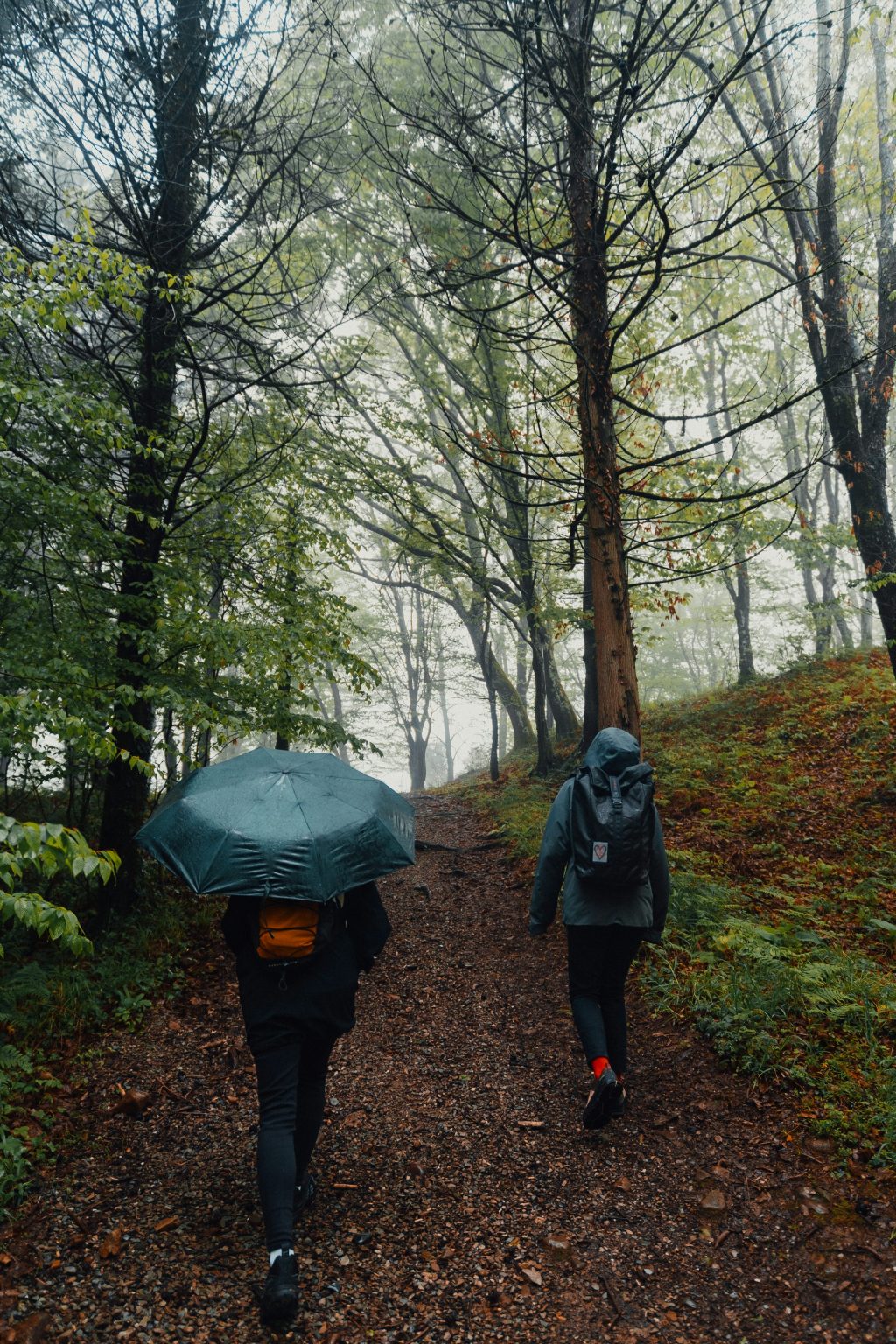
The mountains can appear almost familiar in photographs, yet the arrival of the monsoon changes their character completely. Slopes that looked dry and sharply defined a few weeks earlier become layered in deep green. Clouds settle between ridges, streams grow louder, and narrow waterfalls appear on cliffs that seemed bare during the warmer months. A trail that once offered a distant view may now pass through drifting mist, wet leaves and the smell of rain on stone. For a traveller who enjoys observing a landscape as it changes, the rainy season can reveal a side of the mountains that is easy to miss during the more popular months.
Monsoon travel has a rhythm of its own. The day may begin with a clear patch of sky, followed by a sudden shower and then a long period in which cloud and sunlight move across the valley. The landscape rarely remains the same for very long. A familiar bend in the road can disappear behind fog, while a hillside may briefly glow when sunlight breaks through the clouds. This shifting atmosphere encourages a slower style of exploration. Instead of measuring the day by how many viewpoints can be reached, the traveller begins to notice how the same place changes from one hour to the next.
Rain also makes the smaller details of a route more noticeable. Leaves hold droplets that catch the light, moss spreads across old walls, and the sound of water follows the path long after a stream has disappeared from view. The air carries the scent of wet soil, grass and forest. Even the pace of walking changes because every step requires a little more attention. A careful traveller learns to look at the ground, choose stable footholds and pause when visibility becomes poor. The experience can feel immersive precisely because the surroundings ask for awareness rather than speed.
The beauty of the season should never be confused with an absence of risk. Heavy rain can loosen stones, weaken slopes, swell streams and trigger landslides or flash floods. A route that was safe in dry weather may become unsuitable within a short time. Before setting out, travellers need current local information, reliable weather forecasts and advice from guides or authorities who understand the area. Official warnings and closures should be treated seriously, even when the sky appears calm at the starting point. No photograph or planned itinerary is worth continuing into a dangerous situation.
Preparation makes a significant difference to comfort and safety. Waterproof outer layers, quick-drying clothing, suitable footwear with dependable grip, a protective cover for essential items and a small first-aid kit are useful starting points. A map and offline navigation help when mobile coverage becomes unreliable, while a charged phone and a clear communication plan provide an additional layer of security. Travellers should carry enough water and food, allow extra time and choose a route that matches the group’s experience. In remote terrain, going with a knowledgeable local guide can be far wiser than attempting an unfamiliar path alone.
Flexibility is perhaps the most important part of a monsoon journey. A planned summit may need to be replaced by a shorter forest walk, a viewpoint may remain hidden behind cloud, or a day outdoors may become a day spent safely in a village. These changes do not have to feel like failures. They are part of travelling in a season shaped by weather. A person who can adjust expectations is more likely to enjoy what the day actually offers. The ability to turn back, wait or choose another activity is a sign of good judgement rather than a lack of determination.
The rainy season also reveals how closely mountain communities live with the weather. Fields are prepared, water channels are watched, supplies are moved and daily routines adjust around the changing conditions. Visitors may notice farmers working between showers, shopkeepers protecting their goods or residents discussing the state of a road. These are not decorative scenes created for travellers; they are part of ordinary life. Respectful visitors keep pathways clear, ask before photographing people and avoid entering private fields or homes. Local advice about road conditions, river crossings and access should be valued because residents often see changes before they appear in general travel updates.
Responsible travel becomes especially important when the landscape is wet and vulnerable. Water can carry litter quickly into streams, while stepping away from established paths can damage soft soil and young vegetation. Travellers should carry waste back, avoid disturbing wildlife and leave plants, stones and other natural features where they belong. Loud music and careless behaviour can affect both wildlife and people who live nearby. The quieter atmosphere that makes the season attractive depends on visitors treating the environment as a living place rather than a backdrop for photographs.
Photography during the monsoon rewards patience more than equipment. Mist may hide a distant peak for most of the morning and reveal it for only a few minutes. A rain shower can soften the light, while a break in the clouds can create a brief contrast between dark hills and bright fields. Rather than trying to force a perfect image, a traveller can wait, observe and accept that some scenes are better remembered than captured. Keeping devices protected from moisture and avoiding exposed viewpoints during lightning are practical decisions that matter more than getting one dramatic frame.
Perhaps the greatest lesson of a monsoon journey is that the mountains do not need to provide constant spectacle. Their changing moods are enough. A short walk beside a stream, the view of clouds moving across a forest or the quiet return to shelter after a shower can become the most memorable parts of the day. The season asks travellers to replace urgency with attention and ambition with judgement. When preparation, respect and flexibility guide the journey, the rain-soaked mountains can offer a rich experience without requiring anyone to take unnecessary risks.

