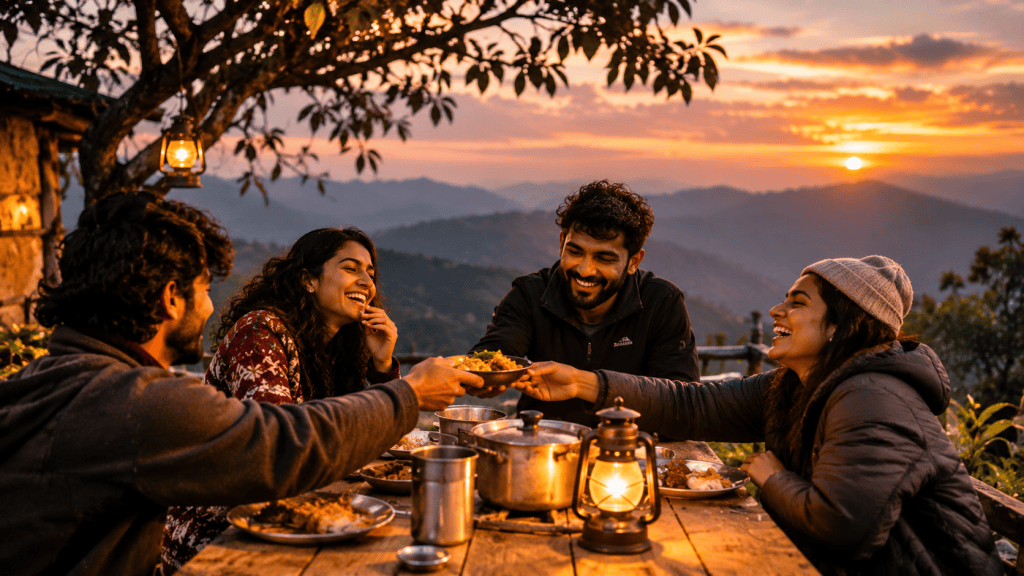
Some memories return through a photograph. Others arrive unexpectedly through a smell, a familiar flavour or the sound of someone setting plates on a table. A dish we have not tasted in years can take us back to a particular kitchen, a familiar voice or a gathering we did not realise we would miss. Food has a remarkable way of carrying stories, and the meals we share often become part of how we remember the people in our lives.
A shared meal is rarely only about what is being served. It creates a small pause in the day when people can sit together without needing to achieve anything. The conversation may wander from ordinary updates to old stories, jokes and plans that never quite happen. Sometimes there are long silences, and sometimes everyone speaks at once. What matters is the space created for people to be present with one another.
Family recipes are one way these memories travel across generations. A recipe written in a notebook may list ingredients and quantities, but it cannot fully explain the pinch added by instinct, the particular way dough should feel or why one person insists on stirring in a certain direction. Those details are learned by watching, helping and asking questions. Cooking together turns knowledge into a living tradition rather than something preserved only on a page.
Not every meaningful food memory belongs to a family celebration. It might be tea shared after a difficult day, a simple meal prepared by a friend when you were unwell, or roadside food discovered during a long journey. These moments stay with us because of the care and context around them. The meal becomes a reminder that someone made time, offered company or helped an unfamiliar place feel welcoming.
Shared meals can also make room for people whose experiences are different from our own. Asking about a dish, learning why it is prepared for a particular occasion or listening to the story behind an ingredient can open a conversation that might not happen otherwise. Curiosity matters here. Rather than assuming that one tradition is universal, we can approach another person’s food with respect and a willingness to learn.
Modern schedules make these moments easy to postpone. Work runs late, messages interrupt conversations and everyone eats at a different time. There is no need to turn every meal into a grand event, though. A regular breakfast with a family member, a monthly dinner with friends or a shared cup of tea can become a ritual simply because people keep making time for it. Consistency gives ordinary moments the chance to become meaningful.
You can begin with something uncomplicated. Invite someone to cook a dish they remember from childhood. Ask an older relative how a family recipe changed over time. Let a friend choose the menu for an evening together. Put phones aside for part of the meal and give the conversation your attention. If distance makes meeting difficult, prepare the same dish while talking over a call. The point is not perfection; it is participation.
Years from now, we may not remember every restaurant or every elaborate menu. We are more likely to remember who sat beside us, the laughter that interrupted the conversation, the recipe someone patiently taught us and the feeling of being welcome. A meal is temporary, but the connection it helps create can last much longer. Sometimes the simplest way to make a memory is to pull up another chair.
Share the journey
#SharedMeals #FoodAndMemories #FamilyTraditions #HumanConnection #MeaningfulMoments #StoriesAroundTheTable #BeEpic

