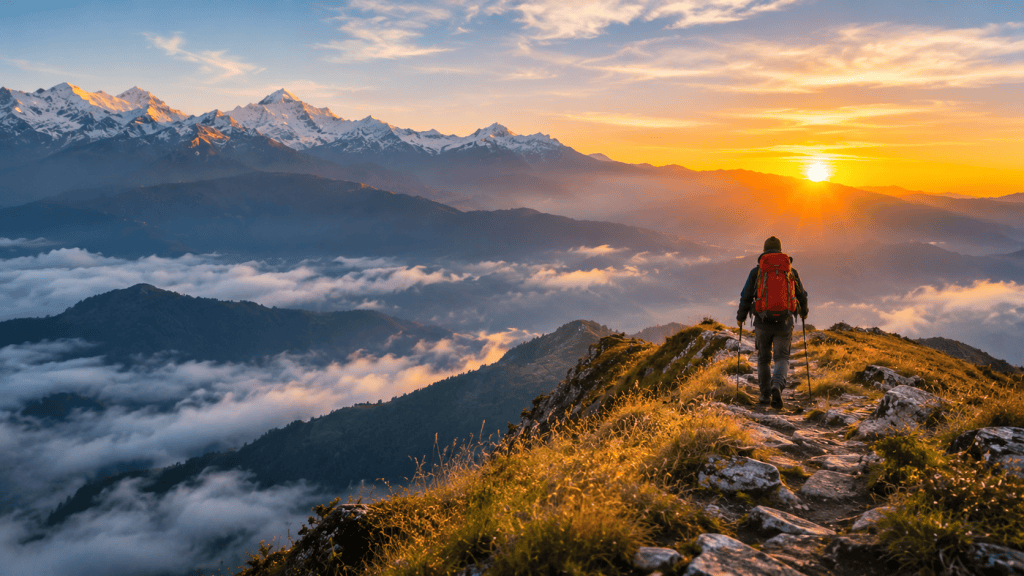
A first Himalayan trek can feel both exciting and intimidating. Photographs show dramatic ridgelines, snow-covered peaks and glowing sunrises, but the experience is made memorable by much more than the view from the summit. It is shaped by the decisions you make before leaving home, the pace you maintain on the trail and the respect you show the mountains along the way. Good preparation does not take away the adventure. It gives you the confidence to enjoy it.
Start by choosing a route that matches your current fitness, experience, available time and the season. A popular trek is not automatically the right first trek. Study the total distance, daily elevation gain, highest point, terrain and expected weather. Read recent trail reports from reliable operators or local authorities, and check whether permits, guides or specific equipment are required. Build a realistic itinerary with room for rest and changing conditions instead of planning every day around the fastest possible schedule.
Physical preparation should begin several weeks before departure. Walking regularly is a useful foundation, but include stairs, gradual uphill walks and longer sessions that help your legs adapt to sustained effort. Add simple strength work for your legs, hips and core, and practise walking with the backpack you intend to carry. Increase distance and load gradually. The goal is not to arrive exhausted from training; it is to make the actual trail feel manageable and familiar.
Pack for conditions rather than appearances. A comfortable pair of broken-in trekking shoes, moisture-wicking layers, a warm insulating layer, a waterproof outer shell, suitable socks, a headlamp, sun protection, a refillable water bottle and a compact personal first-aid kit are useful starting points. Keep frequently used items accessible and protect spare clothing and electronics from rain. Avoid carrying things just because they look adventurous in a photograph. Every unnecessary item becomes extra weight on a climb.
Altitude deserves particular attention. Fitness does not guarantee that your body will adapt comfortably to thinner air. Ascend gradually, follow the itinerary designed for acclimatisation and pay attention to how you feel. Headache, nausea, unusual fatigue or dizziness can be warning signs; worsening symptoms should never be ignored or hidden to keep up with a group. Tell your guide or companions promptly and follow qualified medical advice. Descending when necessary is a responsible decision, not a failure.
On the trail, keep a steady pace that allows you to speak without gasping. Drink regularly, eat enough and take short breaks before you are completely drained. Follow local guidance, stay on established paths and give other trekkers and wildlife space. Carry your waste back out, avoid disturbing plants or animals and use water sources thoughtfully. The mountains are not a backdrop built for visitors; they are living environments and often the home of communities whose knowledge makes these journeys possible.
One of the most useful things you can bring is flexibility. Weather can change, trails can close and a planned summit may become unsafe. Let your guide make decisions based on conditions, and do not treat reaching the highest point as the only measure of a successful trek. Sometimes the best memory is a conversation in a mountain village, the quiet of a forest section or the moment you realise that you have become comfortable moving at a slower pace.
Your first Himalayan trek does not need to be the hardest route or the most dramatic itinerary. Choose carefully, prepare consistently, travel with respect and stay willing to adapt. The mountains will offer enough challenge on their own. Your job is to arrive ready to experience them with curiosity, humility and care.
Share the journey
#HimalayanTrek #TrekkingIndia #FirstTrek #TrekPreparation #MountainTravel #ResponsibleTravel #BeEpic

