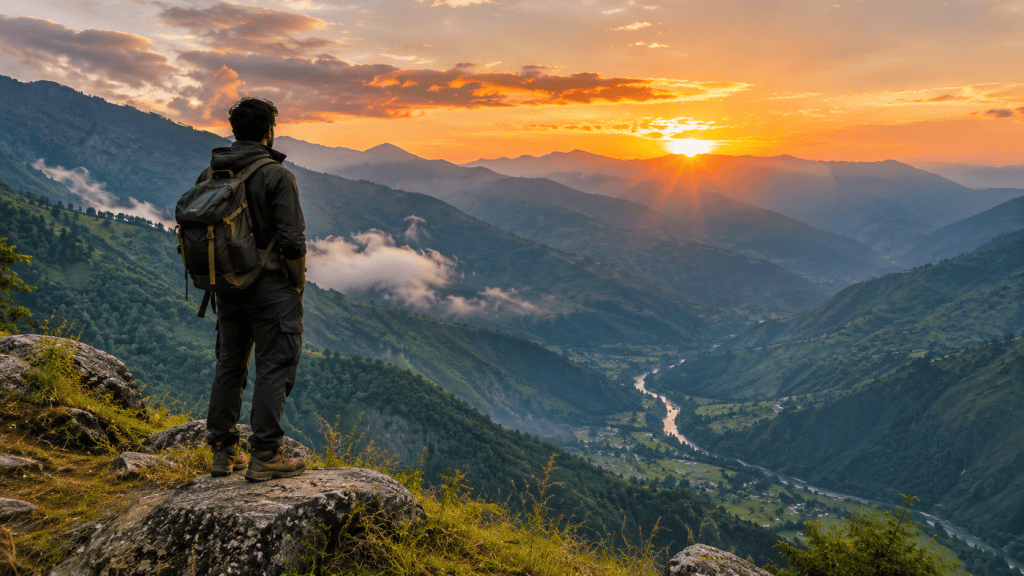
Travel often begins with a list. We save places on maps, compare routes, book stays and plan each day so that no important sight is missed. A thoughtful plan can make a journey smoother, especially when time is limited. Yet sometimes the moments we remember most are the ones that never appeared on the itinerary.
There is a different kind of discovery that begins when we allow a little uncertainty. It might be a narrow lane that looks interesting, a small café recommended by someone we meet, or a trail that leads to a viewpoint we had not heard about. These detours may not become the highlight of a guidebook, but they can become the most personal part of a trip.
Getting lost in this sense does not mean being careless. It means giving curiosity some room while keeping common sense in place. Know the broad area you are exploring, keep your phone charged, understand local transport and respect weather, terrain and local advice. Then leave a few hours unplanned. A flexible day can be just as rewarding as a carefully scheduled one.
Unplanned exploration also changes the way we meet a place. When we are rushing from one attraction to another, a destination can become a collection of photographs. When we slow down, we begin to notice its everyday rhythm: the market opening in the morning, the sound of a local language, the way people gather after work, or the quiet of a street once the crowds have left.
Some of the best conversations happen when we are not trying to get somewhere quickly. Asking a shopkeeper where they go on their day off, learning which dish a family actually eats at home, or listening to a local describe the changing seasons can reveal more than another checklist of famous spots. The key is to approach people with respect, not as props in a travel story, but as people whose home we are fortunate to visit.
Of course, not every detour will lead to something extraordinary. A lane may end at a locked gate. A café may be closed. A viewpoint may be hidden by clouds. That is part of the experience too. Travel becomes less frustrating when we stop expecting every hour to deliver a perfect moment. The unexpected is not a failure of the plan; it is one of the reasons we travel.
On your next journey, keep the essentials organised but leave one part of the day open. Choose a direction rather than a destination. Walk without checking your phone every few minutes. Sit somewhere long enough to notice what is happening around you. If a local recommendation feels right and is safe to follow, give it a chance.
An itinerary helps us reach places. Curiosity helps us connect with them. The goal is not to abandon planning, but to balance preparation with openness. Sometimes the most meaningful way to explore a new place is to stop trying to control every step and allow the journey to surprise you.

