
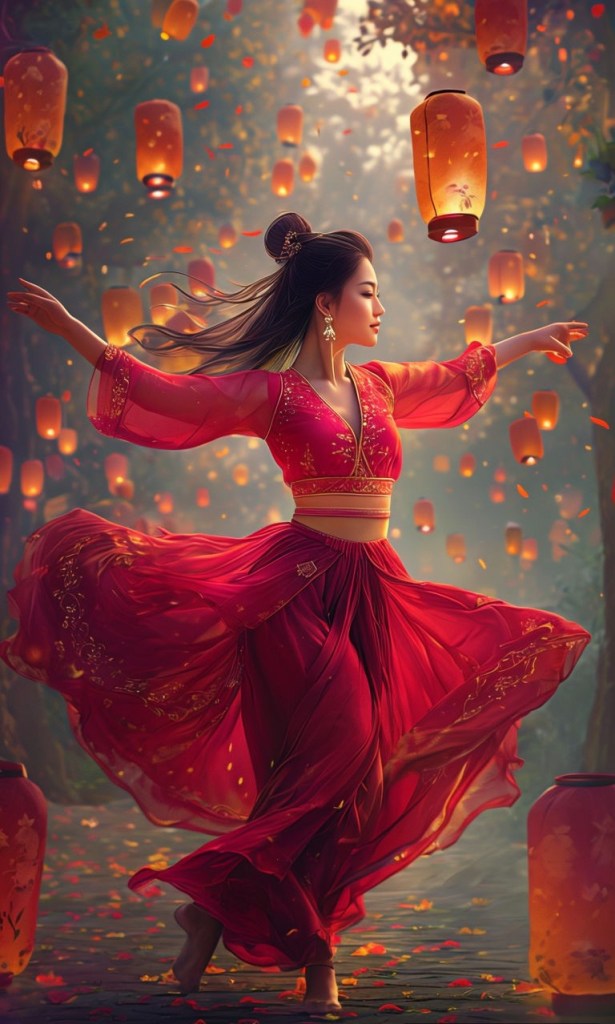
Art and music share a profound connection, often seen as different expressions of the same fundamental essence: the ability to evoke deep emotions, ignite creativity, and resonate with the human spirit. When we say, “Art is music to the soul,” we highlight this shared capacity to speak to us on a level that transcends words and logic. Art, like music, taps into something primal and universal, awakening feelings that might otherwise remain dormant.
When you look at a painting, sculpture, or any form of visual art, it’s akin to listening to a symphony. Each brushstroke, every choice of color, texture, and medium can be seen as a note or chord, playing in harmony to create something greater than the sum of its parts. Just as music has the power to stir emotions—be it joy, sorrow, or wonder—art moves the viewer in a similar way. The abstract nature of both art and music allows for personal interpretation, enabling individuals to find meaning based on their own experiences and feelings.
In art, there is rhythm. The repetition of shapes, lines, and forms often guides the eye in the same way a melody guides the ear. There is harmony in the way colors complement or contrast with each other, creating a balance that pleases the senses much like a well-orchestrated composition. Even silence, or the use of empty space in art, carries a weight similar to the pauses and rests in music, moments where reflection happens, and meaning is deepened.
The emotional resonance of art can be likened to music’s ability to heal. Both have been shown to reduce stress, lift moods, and provide solace in times of distress. Just as listening to a song can transport you to another time or place, so too can a work of art take you on a journey—whether it’s a peaceful landscape that calms the mind or an abstract piece that stirs the imagination.
Beyond their aesthetic qualities, art and music share a capacity to unite people. They speak a language that knows no boundaries, breaking through cultural, linguistic, and geographical barriers. A beautiful piece of art or music doesn’t need translation; it communicates on a level that is understood through feeling. This is why art galleries and concerts can evoke such strong emotions from diverse audiences—the shared human experience of beauty, emotion, and connection.
When we think of art as music to the soul, we recognize its ability to evoke a response that goes beyond the visual. It vibrates within us, much like a melody does, leaving an imprint on our inner world. Whether it’s a painting that reminds us of a cherished memory, a sculpture that inspires awe, or an abstract piece that challenges us to think, art moves the soul in ways that are often intangible yet deeply felt.
Ultimately, both art and music provide a way to explore the human condition, express emotions that are difficult to put into words, and connect with something greater than ourselves. They enrich our lives, offering moments of beauty, reflection, and emotional release. Just as music brings harmony to our thoughts and emotions, art can bring balance and meaning to our visual world, making the invisible visible, and speaking directly to the soul.
 Be Epic
Leave a comment